- Home
- India–Africa trade
India–Africa trade routes
Buy from India. Sell to India. Across 12 African countries.
Indhows works with businesses in 12 African countries with large markets and established, trade-friendly routes from India. Source cars, rice, spices, electronics, medicines and more from Indian suppliers, or sell your produce to buyers in India. One team handles sourcing, inspection, shipping and paperwork.
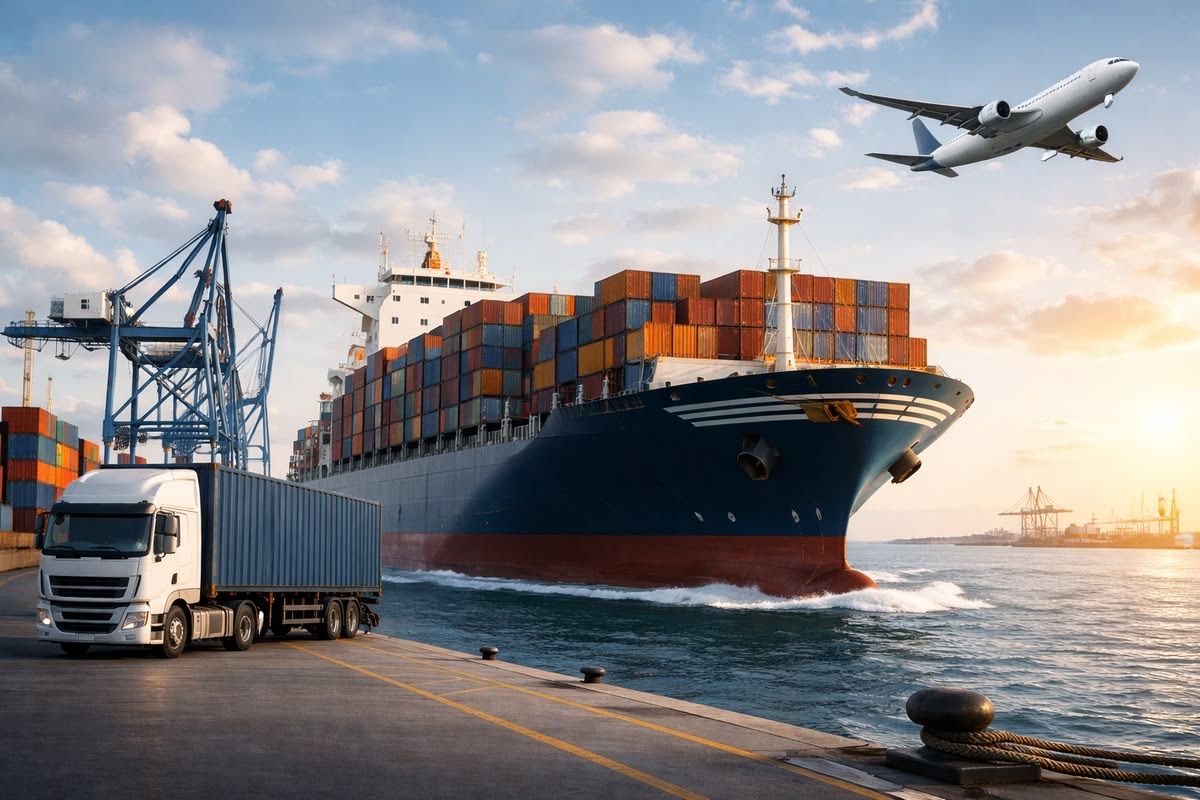
- 12African countries served
- 16Product categories from India
- US$40.1 bnIndia's imports from Africa in 2024
- 98.2%Tariff lines duty-free in India for least developed countries
Where we work
12 African markets on the Indhows route
These countries are large markets with regular sea and air links to India and long experience of trading with Indian suppliers. Open a country to see the route, currency and what it is known for.
East Africa
UgandaVia Mombasa or Dar es Salaam
- Route from India
- By sea to Mombasa or Dar es Salaam, then by road or rail to Kampala. By air to Entebbe.
- Trade blocs
- EAC and COMESA
- Currency
- Uganda shilling (UGX)
- Vehicles
- Right-hand drive, as in India
- Known for
- Coffee, avocado, pineapple and matooke
KenyaPort of Mombasa
- Route from India
- By sea to the port of Mombasa. By air to Nairobi.
- Trade blocs
- EAC and COMESA
- Currency
- Kenyan shilling (KES)
- Vehicles
- Right-hand drive, as in India
- Known for
- Tea, avocado, macadamia nuts and pulses
TanzaniaPort of Dar es Salaam
- Route from India
- By sea to the port of Dar es Salaam. By air to Dar es Salaam.
- Trade blocs
- EAC and SADC
- Currency
- Tanzanian shilling (TZS)
- Vehicles
- Right-hand drive, as in India
- Known for
- Cashew nuts, pigeon peas, sesame, cloves and avocado
RwandaVia Dar es Salaam or Mombasa
- Route from India
- By sea to Dar es Salaam or Mombasa, then by road to Kigali. By air to Kigali.
- Trade blocs
- EAC and COMESA
- Currency
- Rwandan franc (RWF)
- Vehicles
- Left-hand drive
- Known for
- Coffee and tea
West Africa
NigeriaLagos ports
- Route from India
- By sea to the Lagos ports of Apapa, Tin Can Island and Lekki. By air to Lagos.
- Trade blocs
- ECOWAS
- Currency
- Naira (NGN)
- Vehicles
- Left-hand drive
- Known for
- Sesame, ginger, cashew nuts and cocoa
GhanaPort of Tema
- Route from India
- By sea to the port of Tema. By air to Accra.
- Trade blocs
- ECOWAS
- Currency
- Ghana cedi (GHS)
- Vehicles
- Left-hand drive
- Known for
- Cocoa, cashew nuts and shea
Côte d'Ivoire (Ivory Coast)Port of Abidjan
- Route from India
- By sea to the port of Abidjan or San-Pédro. By air to Abidjan.
- Trade blocs
- ECOWAS and WAEMU
- Currency
- West African CFA franc (XOF)
- Vehicles
- Left-hand drive
- Known for
- Cashew nuts, cocoa, cotton and rubber
Sierra LeonePort of Freetown
- Route from India
- By sea to the port of Freetown. By air to Freetown.
- Trade blocs
- ECOWAS
- Currency
- Leone (SLE)
- Vehicles
- Left-hand drive
- Known for
- Cocoa and coffee
Southern Africa
South AfricaPort of Durban
- Route from India
- By sea to Durban, Cape Town or Ngqura. By air to Johannesburg.
- Trade blocs
- SACU and SADC
- Currency
- Rand (ZAR)
- Vehicles
- Right-hand drive, as in India
- Known for
- Apples, pears, citrus and wine
ZimbabweVia Beira or Durban
- Route from India
- By sea to Beira in Mozambique or Durban in South Africa, then by road or rail to Harare. By air to Harare.
- Trade blocs
- SADC and COMESA
- Currency
- Zimbabwe Gold (ZiG) and US dollar
- Vehicles
- Right-hand drive, as in India
- Known for
- Tobacco, macadamia nuts and citrus
ZambiaVia Dar es Salaam or Durban
- Route from India
- By sea to Dar es Salaam, Durban, Beira or Walvis Bay, then by road or rail to Lusaka. By air to Lusaka.
- Trade blocs
- SADC and COMESA
- Currency
- Zambian kwacha (ZMW)
- Vehicles
- Right-hand drive, as in India
- Known for
- Soybeans and honey
LesothoVia Durban
- Route from India
- By sea to Durban, then by road through South Africa to Maseru. By air through Johannesburg.
- Trade blocs
- SACU and SADC
- Currency
- Loti (LSL), equal in value to the rand, which is also accepted
- Vehicles
- Right-hand drive, as in India
- Known for
- Wool and mohair
Buy from India
What you can order from India
If your business is in one of our 12 countries, you can order these products through Indhows. Open a category to see what to tell us.
Cars
New and used cars from Indian makers and dealers. Indian-market cars are right-hand drive, which suits Uganda, Kenya, Tanzania, South Africa, Zimbabwe, Zambia and Lesotho. Nigeria, Ghana, Côte d'Ivoire, Sierra Leone and Rwanda drive on the right, so we source left-hand-drive export models. Most countries limit the age of used vehicles, and we confirm your country's rule before sourcing.
Motorbikes
Motorbikes and scooters from Indian makers, one of the largest motorbike industries in the world. Tell us the make, model, engine size and quantity.
Shoes
Leather, sports, school and casual shoes for retailers and wholesalers. India is one of the world's largest footwear producers. Tell us the styles, materials, sizes and quantity per size.
Clothes
New ready-made garments, school and work uniforms, and fabrics such as linen and cotton. Tell us the styles, sizes, colours and quantity per size.
Long-grain rice
Basmati and long-grain non-basmati rice, in bulk bags or retail packs. India is the world's largest rice exporter, but its government has changed rice export rules several times since 2022, using bans, minimum export prices and duties. We confirm the rule in force when you order.
Spices
Whole and ground spices and blends, including chilli, turmeric, cumin, coriander, black pepper and cardamom. Tell us the spice, grade, packing and quantity.
Hair products
Human hair extensions and wigs, hair oils, relaxers and other hair care products. Tell us the hair type, length, texture and colour, or the product range you stock.
Electrical appliances
Fridges, fans, irons, water heaters, wires, lights and switches. Most of our 12 markets use 220 to 240 volts, as India does, but plug types differ, so we ask the supplier for the right plug for your country.
Kitchenware
Cookers, hotplates, kettles, sinks, dishes, cookware and utensils for homes, hotels and restaurants.
Medical equipment
Hospital beds, diagnostic equipment, surgical instruments and consumables such as syringes, cotton and disinfectants. Many items must be registered with, or approved by, your country's health regulator before import.
Medicines and prescription drugs
Generic and branded medicines from Indian manufacturers, for licensed pharmacies, hospitals, distributors and importers only. Each product must be registered with your country's medicines regulator, such as NDA in Uganda, PPB in Kenya, NAFDAC in Nigeria or SAHPRA in South Africa, and you need an import permit for each order.
Bags and suitcases
Travel luggage, school bags, handbags and leather goods. Tell us the style, material, sizes and quantity.
Electronics and sound systems
Phones, laptops, TVs, speakers, amplifiers, PA systems and security cameras. Tell us the brand, model and specification.
Construction materials
Tiles, PVC pipes, sanitary ware, screws and fittings for hardware shops, contractors and developers.
Spare parts
Parts for cars, motorbikes, tractors and machinery. Tell us the make, model, year and part numbers.
Agricultural equipment and tractors
Tractors, power tillers, pumps, sprayers, threshers and implements. India is one of the world's largest tractor makers. Tell us the horsepower, drive and implements you need.
Before you order
- Several of our markets inspect regulated goods before they leave India: PVoC in Uganda, Kenya and Tanzania, SONCAP in Nigeria and CBCA in Zimbabwe. We tell you in your product report whether your goods need a certificate.
- Import duty depends on the product's tariff code and your country's tariff. In the East African Community many finished goods pay 25%, and in ECOWAS 20%.
- Medicines, medical equipment, food and vehicles need extra permits or registration in most countries. We confirm them before you pay a deposit.
How buying works
Eight steps from first call to collection
You pay a US$200 consultation fee to start, and the sourcing fee in two halves. See the fees
Book a call
Fill in the booking form and choose a time to speak with our sourcing agent.
Pay the consultation fee
Pay by card or mobile money. The fee is non-refundable and is deducted from your deposit if you go ahead.
Pay $200Describe what you need
Give us your product specifications and your budget.
Get a report and quotation
We send a product report and a quotation for your order.
Sign and pay the deposit
Sign the contract and pay half of the sourcing fee. The $200 you already paid counts towards it.
Pay 50% deposit, less $200Products are packed
We review the supplier's refund policy with you. You then pay the supplier invoices, plus taxes, shipping, clearance and insurance where necessary.
Pay invoicesCleared for shipping
Once your products are cleared for shipping, pay the rest of the sourcing fee.
Pay balance 50%Track and collect
You get the papers to track all shipments, then pick up your products on arrival in your country.
Sell to India
What India buys from Africa, ranked by value
India imported goods worth US$40.1 billion from Africa in 2024. These are the 15 largest product groups. Indhows focuses on the agricultural groups marked below.
| Rank | Product group | Imports from Africa, 2024 (US$ million) | Share | Main sources among our 12 markets |
|---|---|---|---|---|
| 1 | Mineral fuels and oils Crude oil, coal and liquefied natural gas | 17,408.1 | 43.5% | Nigeria, South Africa |
| 2 | Precious metals and stones Mainly gold, and diamonds | 8,160.9 | 20.4% | South Africa, Ghana |
| 3 | Copper Refined copper and copper products | 2,468.7 | 6.2% | Zambia |
| 4 | Edible fruit and nutsIndhows focus Raw cashew nuts, fresh and dried fruit | 1,747.4 | 4.4% | Côte d'Ivoire, Tanzania, Ghana, Nigeria |
| 5 | Ores, slag and ash Manganese and other ores | 1,389.5 | 3.5% | South Africa |
| 6 | Edible vegetables and rootsIndhows focus Dried pulses such as pigeon peas, and vegetables | 1,196.9 | 3.0% | Tanzania |
| 7 | Salt, sulphur, earths and stone Rock phosphate, gypsum and other minerals | 1,096.6 | 2.7% | Mostly from outside our 12 markets |
| 8 | Inorganic chemicals Phosphoric acid and other chemicals | 1,085.4 | 2.7% | Mostly from outside our 12 markets |
| 9 | Fertilisers Phosphate fertilisers | 1,009.9 | 2.5% | Mostly from outside our 12 markets |
| 10 | Oil seedsIndhows focus Sesame, soybeans and other oilseeds | 696.3 | 1.7% | Nigeria, Tanzania |
| 11 | Wood pulp Pulp for paper and fibre | 587.5 | 1.5% | South Africa |
| 12 | Iron and steel Ferro-alloys and steel products | 387.9 | 1.0% | South Africa |
| 13 | CottonIndhows focus Raw cotton | 352.2 | 0.9% | Tanzania, Côte d'Ivoire |
| 14 | Ships and boats Vessels and floating structures | 327.0 | 0.8% | Mostly from outside our 12 markets |
| 15 | Coffee, tea and spicesIndhows focus Coffee, tea, cloves and ginger | 300.6 | 0.8% | Uganda, Kenya, Tanzania, Nigeria |
Source: Export-Import Bank of India, 2025, Table 3.4. Fuels, gold, metals, ores and fertilisers move under specialist licences and long-term contracts. Talk to us before you plan a shipment of these.
Produce we take to India
Raw cashew nuts
From Côte d'Ivoire, Tanzania, Ghana and Nigeria. Processors in India buy raw nuts in shell. Tell us the origin, crop year, nut count and outturn.
Pulses
Pigeon peas and other dried pulses, mainly from Tanzania and East Africa. India's import policy for pulses changes often, so we check it for every contract.
Coffee
Arabica and robusta from Uganda, Kenya, Tanzania and Rwanda. Tell us the type, grade, screen size and volume.
Tea
Black tea from Kenya and Rwanda, for blenders and packers. Tell us the grade and volume.
Spices
Cloves from Tanzania, ginger from Nigeria and other spices. Tell us the grade, moisture and volume.
Sesame and oilseeds
Sesame from Nigeria and Tanzania, and soybeans and other oilseeds. Tell us the type, purity, oil content and volume.
Cocoa
Cocoa beans from Côte d'Ivoire, Ghana, Nigeria and Sierra Leone. In several countries a national board regulates cocoa exports.
Fresh fruit
Avocado, pineapple, matooke, apples, citrus and other fruit. Fresh fruit can enter India only under the conditions set for that fruit and that country, so we check the plant quarantine rules first.
Cotton
Raw cotton from Tanzania, Côte d'Ivoire and other growers. Tell us the variety, staple length, grade and volume.
How selling works
Six steps from your farm or store to a buyer in India
Our fee for an export deal is agreed in writing before you sign with a buyer.
Book a call
Tell us your product, grade, volumes, harvest season and where you are.
We check the rules
We confirm that India allows the product from your country, the permits and certificates needed, and the duty that applies.
Samples and pricing
You send specifications, photos and samples. We present your produce to importers, processors and distributors in India.
Sign with the buyer
When a buyer confirms, you sign a contract that fixes the price, quantity, quality, delivery terms and how you are paid.
Export paperwork
You get the phytosanitary certificate, certificate of origin and any export permit in your country. The Indian buyer gets the import permit and food-safety clearance. We coordinate both sides.
Ship and get paid
Your goods are packed, inspected and shipped, and payment follows the contract.
Special notice
Selling to India: the general rules
These rules apply to most produce and food shipped to India. Your product may need more. This notice is general information, not legal advice, and we confirm the rules for your product before you commit.
- Indian importer. The buyer in India must hold an Importer-Exporter Code (IEC). Food importers also need an FSSAI import licence.
- Import policy. India's import policy lists every product as free, restricted or prohibited. Some pulses and oilseeds face quotas or time-limited import windows. We check the policy for your product's tariff code.
- Plant quarantine. Fresh produce, grains, seeds and other plant products need an import permit issued in India under the Plant Quarantine (Regulation of Import into India) Order, 2003, and a phytosanitary certificate from your country's plant protection authority. A product not yet listed in the Order can be imported only after India completes a pest risk analysis, which can take a long time.
- Food safety. FSSAI inspects food at the Indian port through its Food Import Clearance System and can take samples for testing. Food that fails its labelling or laboratory checks is refused entry.
- Packing. Wooden pallets and crates must be treated and marked to the ISPM 15 standard, and consignments must be free of soil, leaves and plant debris.
- Duty. Most goods pay India's basic customs duty plus IGST. Least developed countries, including Uganda, Tanzania, Rwanda, Zambia, Lesotho and Sierra Leone, can get duty-free access on 98.2% of tariff lines under India's Duty-Free Tariff Preference scheme, if the goods meet its origin rules and carry a valid certificate of origin.
- Your country's rules. You may need an export licence or permit. In several countries national boards regulate crops such as cocoa, coffee and raw cashew nuts, and can set export seasons, licences or levies.
- Payment. Agree how you are paid in the contract. A letter of credit or an advance payment protects you if the buyer does not pay.
Last checked: October 2026.
Questions
India–Africa trade: common questions
Which African countries does Indhows serve?
Twelve: Uganda, Kenya, Tanzania and Rwanda in East Africa; Nigeria, Ghana, Côte d'Ivoire and Sierra Leone in West Africa; and South Africa, Zimbabwe, Zambia and Lesotho in Southern Africa.
What can I import from India through Indhows?
Cars, motorbikes, shoes, clothes, long-grain rice, spices, hair products, electrical appliances, kitchenware, medical equipment, medicines and prescription drugs for licensed buyers, bags and suitcases, electronics and sound systems, construction materials, spare parts, and agricultural equipment and tractors.
What does India buy most from Africa?
By value in 2024: mineral fuels such as crude oil and coal (US$17.4 billion), gold and other precious metals and stones (US$8.2 billion), copper (US$2.5 billion), edible fruit and nuts such as raw cashew nuts (US$1.7 billion), and ores (US$1.4 billion), according to the Export-Import Bank of India.
Can I sell fresh produce to India?
Yes, if India allows that product from your country. Fresh produce needs an Indian import permit under the Plant Quarantine Order, 2003, a phytosanitary certificate from your country, and food-safety clearance by FSSAI at the Indian port. A product not yet listed in the Order needs a pest risk analysis first. We check this before you commit.
Do African exports pay import duty in India?
Most goods pay India's basic customs duty plus IGST. Least developed countries such as Uganda, Tanzania, Rwanda, Zambia, Lesotho and Sierra Leone can get duty-free access on 98.2% of tariff lines under India's Duty-Free Tariff Preference scheme, with a valid certificate of origin.
Can I order medicines from India through Indhows?
Yes, if you are a licensed pharmacy, hospital, distributor or importer. Each medicine must be registered with your country's medicines regulator, and you need an import permit for each order.
How do I start?
Book a call. Buyers pay a US$200 consultation fee, which is deducted from the deposit if they go ahead. Producers selling to India tell us their product, grade and volumes.
- Export-Import Bank of India, Unlocking Africa's Sustainable Growth: India's Role (2025), Table 3.4
- Plant Quarantine (Regulation of Import into India) Order, 2003
- Belgian Federal Agency for the Safety of the Food Chain, India: phytosanitary import requirements (2026)
- Embassy of India, Bamako: India's Duty-Free Tariff Preference scheme
- Food Safety Works, Food import compliance in India (FSS Import Regulations, 2017)
Ready to trade between India and Africa?
Book a call and tell us what you want to buy or sell.